


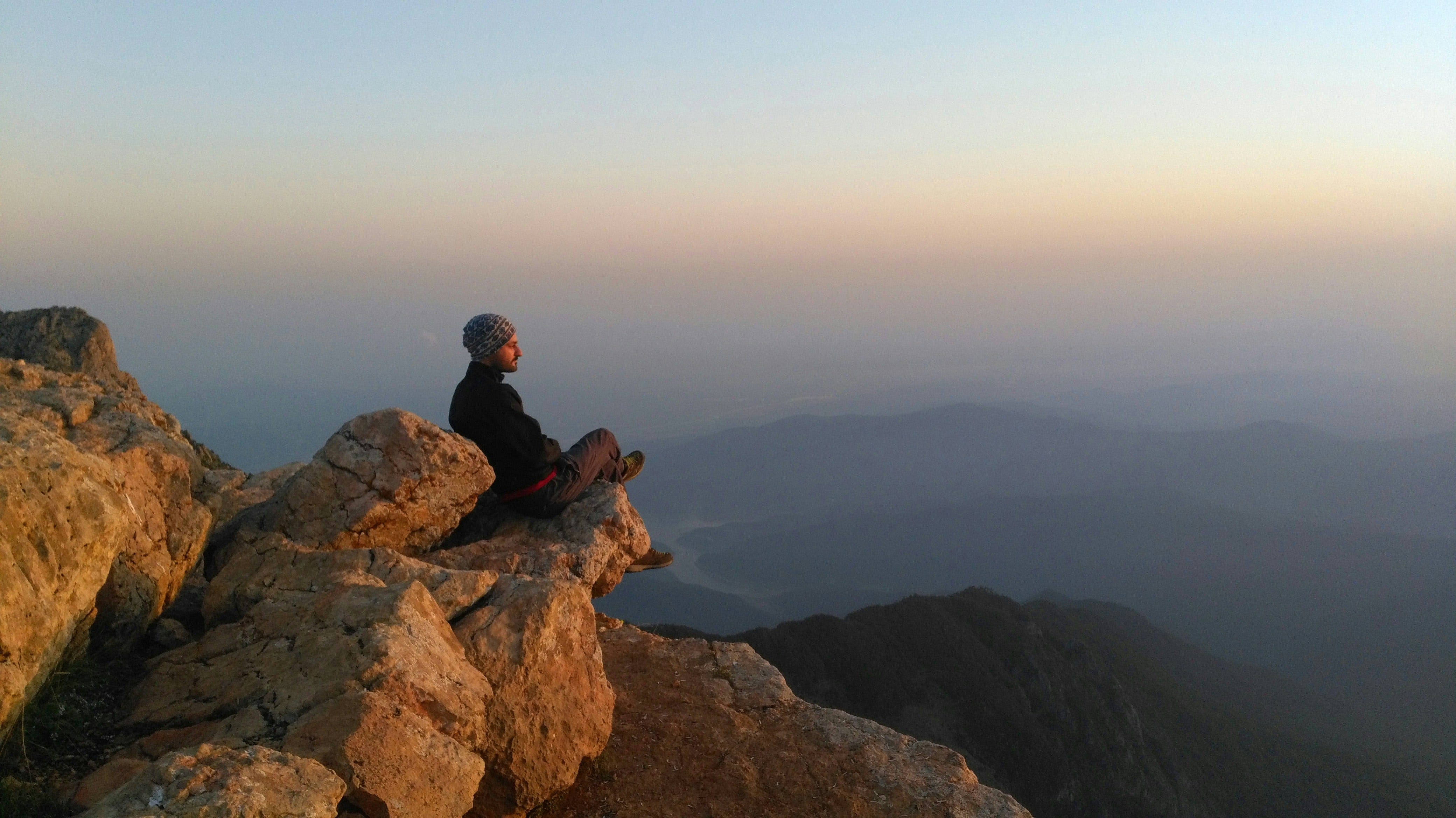
We spend our lives learning how to connect with others, but seldom how to enjoy our own company. The difference between loneliness and solitude isn't silence—it's choice.
Being alone is not something you either can or cannot do. It just part of life. However, learning how to be alone with yourself on purpose is a skill that can be honed. Yet it may be one of the few important skills in life that almost nobody practices. In fact, the very act of being alone many of us seek when life becomes overwhelming is the same separation we have traditionally used as punishment. That by itself should make us stop and think, hmm – what’s going on here.
The Forgotten Third Setting
When I was a boy, nobody had to tell me to go outside and play. I simply went. The neighborhood fields were where you ended up when there was nothing scheduled and no one watching, and some of the best hours of my childhood happened out there with a ball, a bike, or sometimes with nothing at all. I think about that when I watch my grandsons. Their days seem to come in only two settings. There is the organized kind—baseball, tae kwon do, flag football, soccer—and then there are screens: the television, the computer, the iPad. What’s largely disappeared is the third setting: time that is unscheduled, unsupervised, and entirely their own.
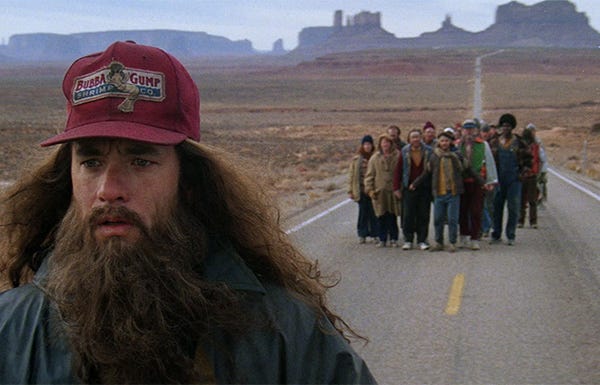
It took me most of my life to discover that third setting on purpose. Oddly enough, a movie pointed the way. In Forrest Gump, after his mother dies, Forrest simply starts to run. He runs across the country with no destination, no timetable, and no explanation. People begin following him, convinced he must possess some deeper wisdom, yet Forrest is somehow always alone. What stayed with me all these years wasn’t the running itself, but how it ended. One day he simply stopped. Whatever he had been carrying, he had finally set down.
I’ve thought about that scene many times over the years. It wasn’t really about running. It was about creating enough space for life to settle down. Forrest wasn’t escaping the world. He was escaping the constant noise inside his own head. Somewhere along those miles, without therapy, self-help books, or a five-step process, he found clarity.
Loneliness and Solitude are not the same thing
The older I’ve become, the more I’ve realized that truly disconnecting is harder than it sounds. How many of us could spend twenty-four hours completely disconnected from work, family, email, texts, social media, and the phone in our pocket? Even our bedrooms have become extensions of the outside world. The phone sits on the nightstand waiting for us before our feet ever touch the floor, just in case the world changed while we were asleep. We’ve become so accustomed to constant stimulation that many of us no longer know what to do when nothing is demanding our attention.
Here’s the paradox I keep coming back to. Loneliness and solitude are not the same thing. The very silence I will drive hours to find is the same silence we use as punishment. Prisoners are placed in solitary confinement. Children are sent to their rooms. The difference isn’t the silence. It’s the choice.
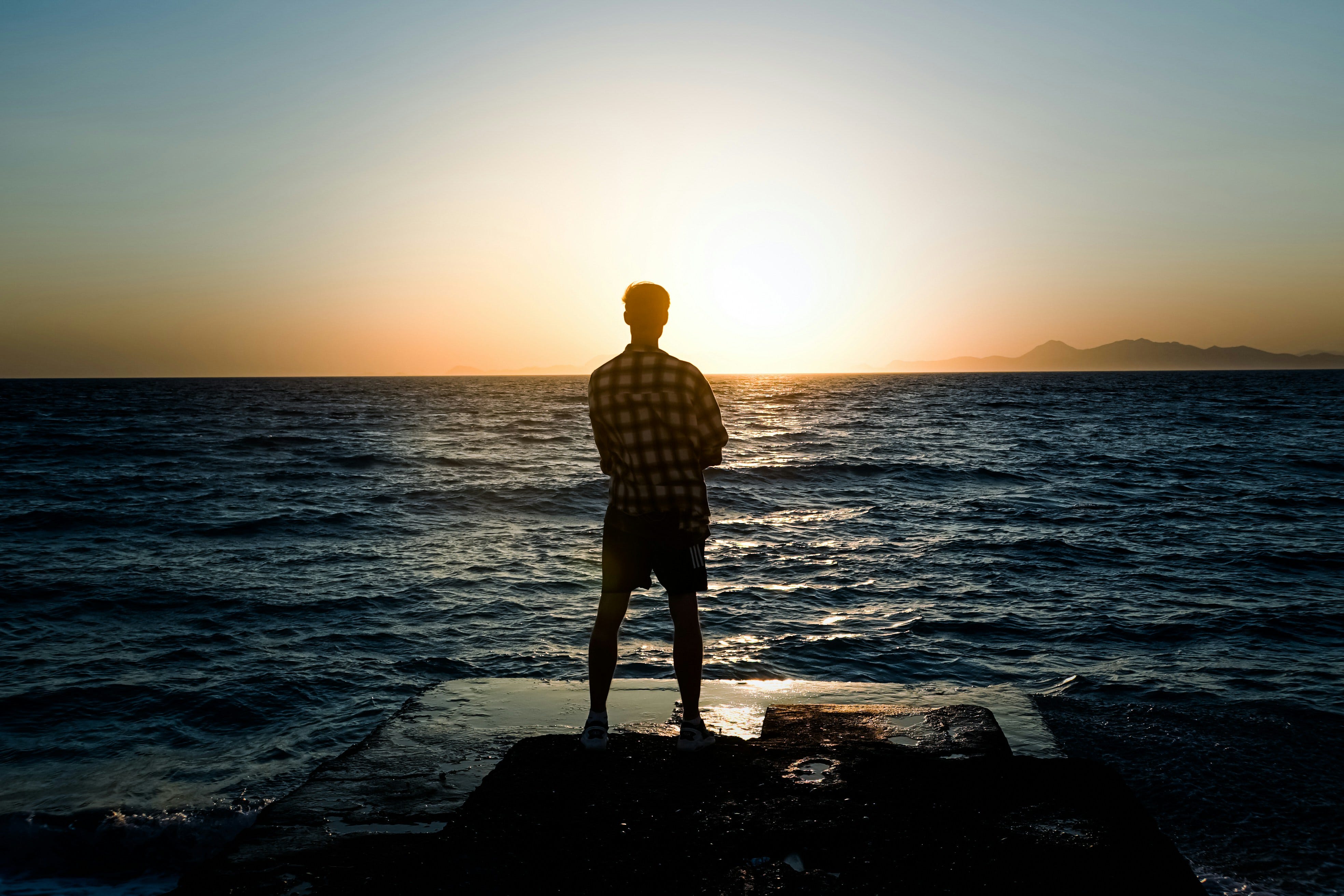
Even now, during my yearly solo trips, I still experience moments of loneliness. They almost always arrive on the second or third day. Dinner feels quieter. There’s no one to share an interesting conversation with or point out something you’ve just discovered. More than once I’ve caught myself wondering why I came alone. Then, almost without realizing it, something begins to change. I stop reaching for my phone. I notice more. I become more present. The silence no longer feels empty. It begins to feel full. That’s usually when the real trip begins.
I’ve learned not to fight those moments anymore because I know they will pass. They always do. More importantly, I’ve come to realize that the value of solitude isn’t that it’s always peaceful. Often it isn’t. The value is that, eventually, all the noise begins to fall away. Without the constant conversations, schedules, emails, notifications, and distractions competing for attention, you’re left with the one voice that’s hardest to hear in everyday life—your own. That’s where clarity usually begins.
The Challenge
Like any worthwhile skill, being alone comfortably has to be practiced. I wouldn’t suggest disappearing into the wilderness for two weeks. Start with an afternoon. Take a long walk without earbuds. Wander through a museum. Sit beside a lake. Drive into the country with no agenda other than to think. Then try an overnight trip. Eventually try a weekend. What begins as discomfort slowly becomes confidence—not the kind that impresses other people, but the quiet confidence that comes from discovering you’re perfectly capable of enjoying your own company.
Here’s my challenge. Sometime during the next month, deliberately spend half a day completely alone. Leave the earbuds behind. Leave the notifications behind. Don’t fill the silence with a podcast, music, or endless scrolling. Just spend a few hours with your own thoughts. If that idea makes you uncomfortable, ask yourself why. If you discover you can’t do it, perhaps you’ve just found a skill worth developing.
I don’t want my grandsons to reject technology or organized sports. They have their place. I simply want them to know there is a third setting—a place with no team, no coach, and no notifications. A place where they can discover they are good company for themselves.